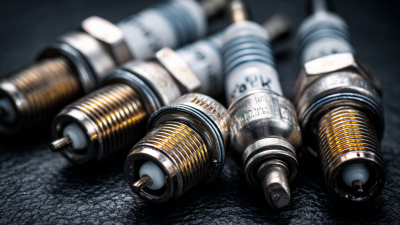
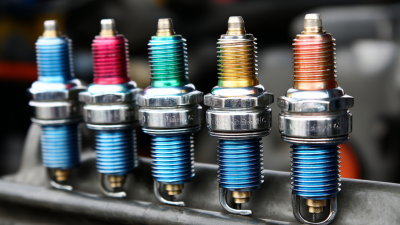
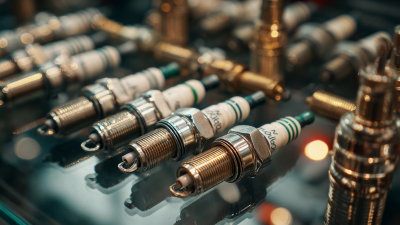
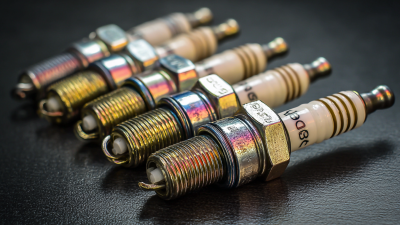
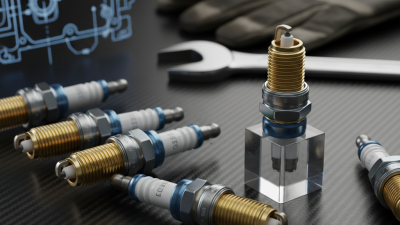
When it comes to taking care of your car, we often forget about the spark plug replacement. But honestly, it’s such a small thing that can make a huge difference for your engine's performance and how long it lasts. I remember Mark Johnson from Precision Auto Parts mentioning once, "Getting your spark plugs replaced regularly is actually pretty key to keeping your engine running smoothly." That really drives home how important this little maintenance task is, even if it’s easy to overlook.
Now, doing a spark plug change isn’t just about having the right tools in hand — you also gotta know when it's time to do it. A lot of car owners miss the signs that their spark plugs are worn out. Things like engine misfiring or wasting more fuel than usual? Sometimes people just brush those off. But if you check your spark plugs regularly, you can avoid those costly repairs later on.
And don’t forget, picking the right spark plug matters, too. With so many options out there, it’s easy to get overwhelmed. Making sure the new plugs actually match your engine is super important. Using the wrong ones can actually make your car run worse. So, doing a bit of research or asking a mechanic for some advice is a smart move. Basically, replacing spark plugs isn’t just a quick maintenance task — it’s a key part of keeping your vehicle healthy. Taking the time to understand it really pays off in the long run.
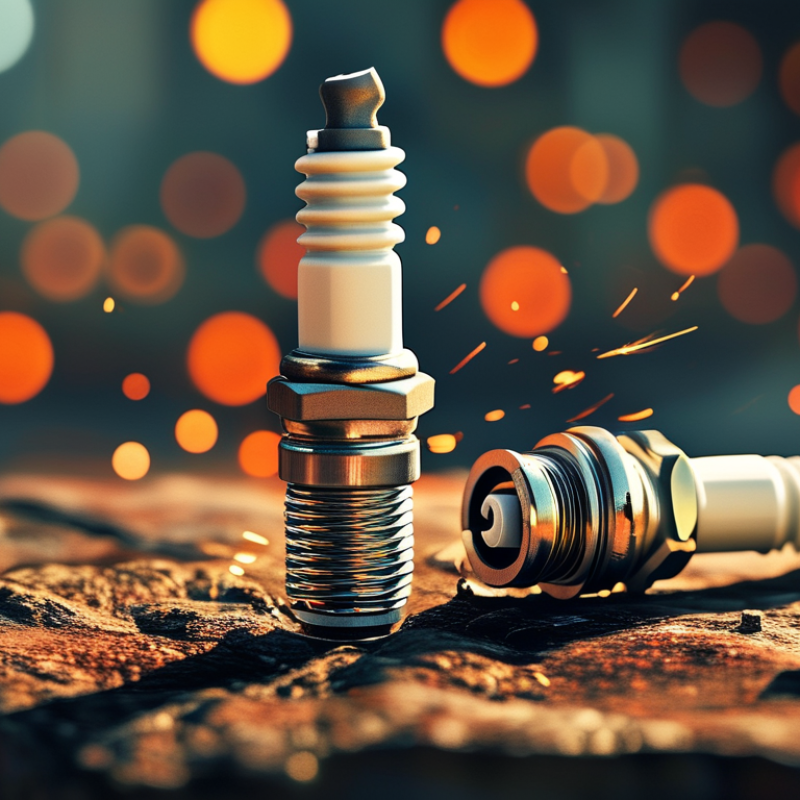
Understanding Spark Plug Functionality and Importance
Spark plugs are vital components of internal combustion engines. Their primary function is to ignite the air-fuel mixture within the combustion chamber. According to the International Organization of Motor Vehicle Manufacturers, there were approximately 1.4 billion cars worldwide in 2020. This number is expected to increase, amplifying the importance of understanding spark plugs.
A worn spark plug can lead to engine misfires. The engine's efficiency relies heavily on the condition of the spark plugs. The Society of Automotive Engineers notes that optimizing Spark Plug Performance can improve fuel efficiency byup to 30%. This statistic demonstrates the potential savings for both consumers and the environment. Effective spark plugs facilitate efficient combustion, which leads to better mileage and lower emissions.
Many drivers overlook the maintenance of spark plugs. Delay can result in engine damage, leading to costly repairs. Regular inspections are essential. Some spark plugs last up to 100,000 miles, but factors such as driving habits and fuel quality can influence longevity. Understanding these variables is crucial for ensuring optimal engine performance and minimizing future costs.
Identifying Signs of Spark Plug Wear and When to Replace
Recognizing the signs of spark plug wear is essential for maintaining vehicle performance. Common indicators include rough engine idle, reduced fuel efficiency, and poor acceleration. If your car struggles to start or misfires, it could indicate failing spark plugs. Inspecting your spark plugs regularly can save you from more costly repairs later.
When considering Car Spark Plug Replacement, it’s wise to check the color of the spark plugs. A normal spark plug should appear tan or gray. If you notice black soot or oil buildup, this signifies a problem that needs immediate attention. Excessive wear can alter the engine's timing and lead to further engine issues.
Tips for effective Spark Plug Maintenance include checking them duringregular oil changes. Keep a visual log of their condition to track wear patterns. Always use the specifications provided in your car's manual for replacement intervals. Not all symptoms require immediate replacement, but being informed ensures you're prepared. Your vehicle's performance relies significantly on these small components.
Choosing the Right Spark Plug Type for Your Vehicle
Choosing the right spark plug is essential for your vehicle's performance. Spark plugs come in different types, including copper, platinum, and iridium. Each type has unique benefits and service intervals. Copper plugs are common in older cars, while iridium plugs are often preferred for modern engines due to their longevity and efficient performance.
When selecting a spark plug, consider your vehicle's requirements. Consult your owner’s manual for specifications on heat ranges and gap size. Incorrect choices can lead to suboptimal engine performance. Many overlook the importance of properly gapping the plug. This small detail can significantly impact ignition and fuel efficiency.
Spark Plug Coil Replacement is another area that deserves attention. A worn-out coil can cause misfires, leading to costly repairs. Regular inspections of both spark plugs and coils can save time and money. Remember, neglecting these components might result in engine troubles that could have been avoided. Take the time to reflect on your vehicle’s needs and make informed choices.
2026 Best Spark Plug Replacement Tips for Global Buyers
| Spark Plug Type | Material | Heat Range | Price Range (USD) | Best For |
| Iridium | Iridium Alloy | 6-7 | 8 - 15 | Performance Vehicles |
| Platinum | Platinum Alloy | 5-6 | 6 - 12 | Standard Vehicles |
| Copper | Copper Core | 4-5 | 3 - 8 | Classic Vehicles |
| Double Platinum | Platinum Alloy | 6-7 | 10 - 20 | Modern Vehicles |
| Racing | Iridium/Copper | 7-8 | 20 - 50 | High-Performance Racing |
Step-by-Step Guide to Spark Plug Removal and Installation
Removing and installing spark plugs requires a systematic approach. Begin by ensuring the engine is cool. Safety is crucial. A clear workspace will enhance efficiency and reduce mistakes. Gather necessary tools: a spark plug socket, a ratchet, and a torque wrench.
Start by disconnecting the battery to prevent electrical surges. Use the spark plug socket to loosen each plug carefully. Avoid excessive force, as this may strip the threads or break the plug. For optimal performance, consider the Spark Plug Seal Replacement. This is commonly overlooked yet vital for preventing leaks. According to industry reports, improper sealing can lead to engine misfires, affecting fuel efficiency by up to 30%.
Once removed, inspect the threads on the cylinder head. Clean any debris for a proper seal upon installation. Thread new plugs in by hand initially, securing them with the torque wrench at the recommended setting, usually around 13-15 lb-ft. Remember, over-tightening can lead to complications. Regular maintenance and proper installation can significantly extend the lifespan of your engine components.
Tips for Maintaining Spark Plugs to Extend Their Lifespan
Maintaining spark plugs is crucial for vehicle performance. Regular inspections can reveal signs of wear and tear, which often go unnoticed. According to a study by the Automotive Research Institute, nearly 25% of vehicle performance issues can be traced back to faulty spark plugs. This emphasizes the need for a proactive maintenance approach.
Cleaning the spark plugs every season can prevent carbon buildup. A simple brush and solvent can do the trick. Tip: Always check the gap between the electrodes. An incorrect gap can lead to misfires, reducing fuel efficiency by up to 30%. Additionally, replacing spark plugs at recommended intervals can extend their lifespan significantly, potentially doubling their longevity to over 100,000 miles.
Being mindful of driving habits is essential too. Short trips can lead to rapid wear. Historically, cars driven in urban areas experience more plug issues than those on highways. This reality is underscored by data from the Global Auto Maintenance Report, which states that neglecting timely maintenance could cost vehicle owners up to $1,500 over time. Regular care is vital, but many overlook it.
Comparing Popular Spark Plug Brands for Quality and Performance
Choosing the right spark plugs is crucial for vehicle performance. Different brands offer a variety of designs and materials. Some use copper, while others opt for platinum or iridium. Each type has unique advantages. For instance, iridium plugs tend to last longer. This can reduce the need for frequent replacements. However, they are often more expensive. Quality varies greatly, so research is essential when comparing options.
When examining spark plug performance, it’s important to consider engine types. High-performance vehicles may benefit from specialized plugs. In contrast, standard cars might do well with basic models. Observing your vehicle's response is vital. If you notice rough idling, it may be time to check the spark plug wires. Spark Plug Wires Replacement is also an essential factor. Worn wires can lead to misfiring, affecting overall efficiency.
User reviews and expert opinions can provide insights. However, personal experience should guide decisions. Sometimes, a specific brand may underperform for your vehicle. This discrepancy is worth noting for future replacements. Always consider factors like engine type, driving habits, and environmental conditions. Adapting to your specific needs enhances performance and longevity.
Global Considerations for Sourcing Spark Plugs Across Markets
When sourcing spark plugs globally, several factors come into play. Quality and compatibility are paramount. According to industry reports, the global spark plug market was valued at approximately $3.8 billion in 2020, with a projected CAGR of 4.5% through 2026. This underscores the importance of selecting reliable suppliers that meet international standards.
Investigating local market preferences is crucial. Different regions may have specific requirements based on climate, engine types, and consumer habits. For example, spark plugs designed for high-performance engines in North America differ from those preferred in Asia. Evaluating these distinctions can prevent costly errors in sourcing.
Sustainability is increasingly prioritized. Many consumers now prefer eco-friendly options. Industry studies reveal that 41% of buyers consider environmental impact as a key factor. This trend presents both a challenge and an opportunity for suppliers. Acknowledging this shift can enhance market positioning. However, there is a risk in assuming that all consumers share these values. Balancing innovation with traditional preferences needs careful consideration.
Optimal Solutions: Techie Intercool as a Superior Replacement for Jenbacher 616 Series Generators
The ability to provide reliable energy solutions is paramount in today's industrial world, especially for operations relying on generation systems like the Jenbacher 616 series generators. Recent advancements in technology have led to the emergence of alternatives that not only match but often exceed the performance standards set by traditional models. Among these, the Techie Intercool has gained recognition as a prime substitute due to its superior efficiency and performance metrics.
Data from industry reports indicate that the Techie Intercool significantly enhances fuel efficiency, achieving up to 5% greater efficiency compared to the Jenbacher 616 series. This improvement not only translates into lower operating costs but also means reduced carbon emissions—an increasingly critical consideration for industries facing stringent environmental regulations. Additionally, Techie Intercool's innovative design reduces maintenance downtime by an impressive margin, facilitating uninterrupted operations in critical applications.
Furthermore, as industries pivot towards more sustainable practices, the promise of advanced technological features in alternatives like Techie Intercool positions it as a viable solution for modern energy demands. With an extensive focus on reliability and performance, the Techie Intercool stands as a testament to how contemporary advancements can provide optimal solutions for industries looking to enhance their energy infrastructure while aligning with future sustainability goals.
FAQS
: Spark plugs ignite the air-fuel mixture in the combustion chamber of an engine.
Worn spark plugs can lead to engine misfires and reduced efficiency.
Proper spark plug performance can improve fuel efficiency by up to 30%.
Signs include rough idle, reduced fuel efficiency, and poor acceleration.
Inspect spark plugs regularly, especially during oil changes.
Normal spark plugs should appear tan or gray in color.
Black soot or oil buildup indicates a problem needing immediate attention.
Some spark plugs can last up to 100,000 miles, but factors vary.
Regular maintenance prevents costly repairs and ensures optimal vehicle performance.
Not all symptoms necessitate immediate replacement, but awareness is key.
Conclusion
Spark Plug Replacement is a crucial maintenance task for vehicle owners, ensuring optimal engine performance and efficiency. This comprehensive guide explores the functionality and importance of spark plugs, helping readers identify signs of wear and the right timing for replacement. It also provides insights on selecting the appropriate spark plug type tailored to individual vehicles, along with a step-by-step approach to safe removal and installation.
Furthermore, the article highlights best practices for maintaining spark plugs to extend their lifespan and compares various spark plug brands, assessing quality and performance. Lastly, it addresses global considerations for sourcing spark plugs, equipping buyers with the necessary knowledge to make informed purchasing decisions across different markets. With these tips and guidelines, readers can ensure their vehicles run smoothly and efficiently.